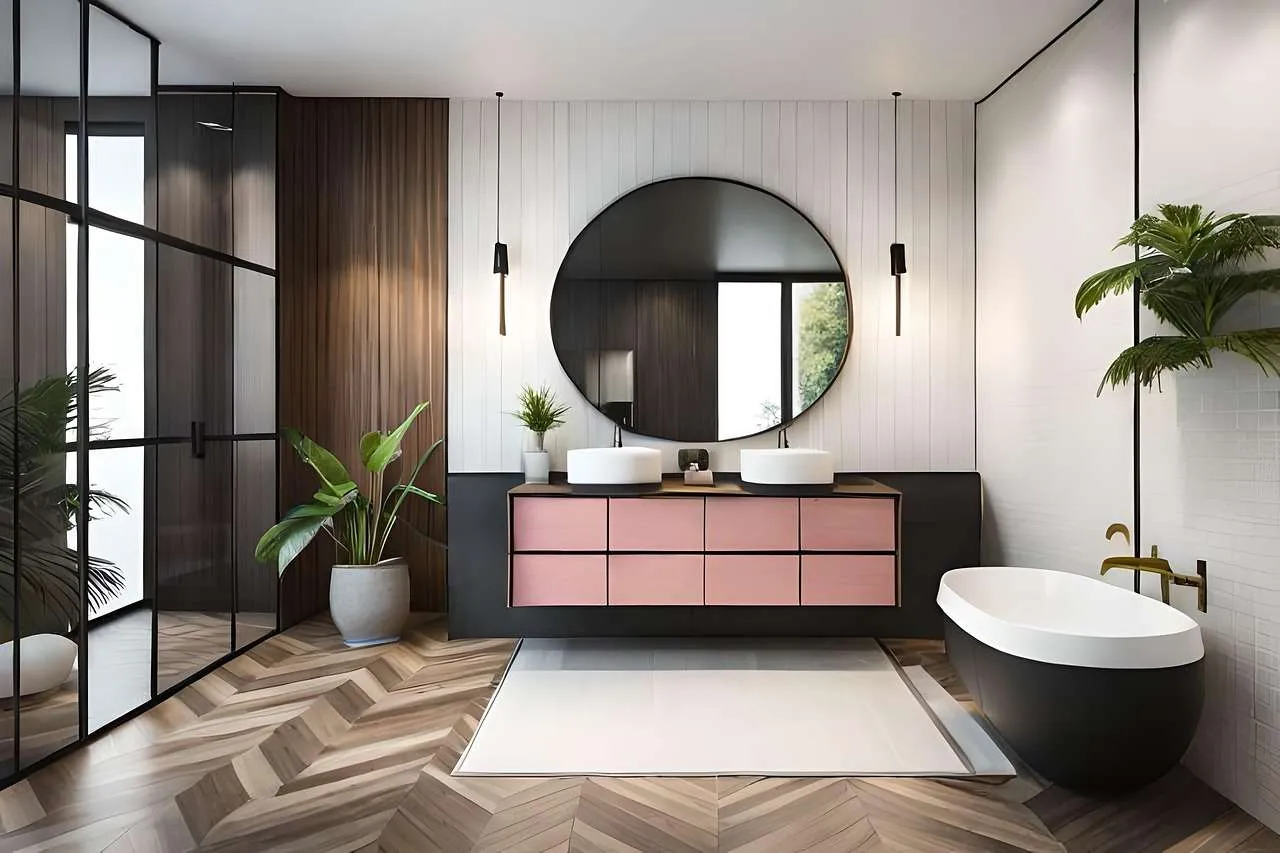
Bathroom Decor Ideas for Any Space
By
Ryan
Published
February 7, 2026
Read Time
5 min read
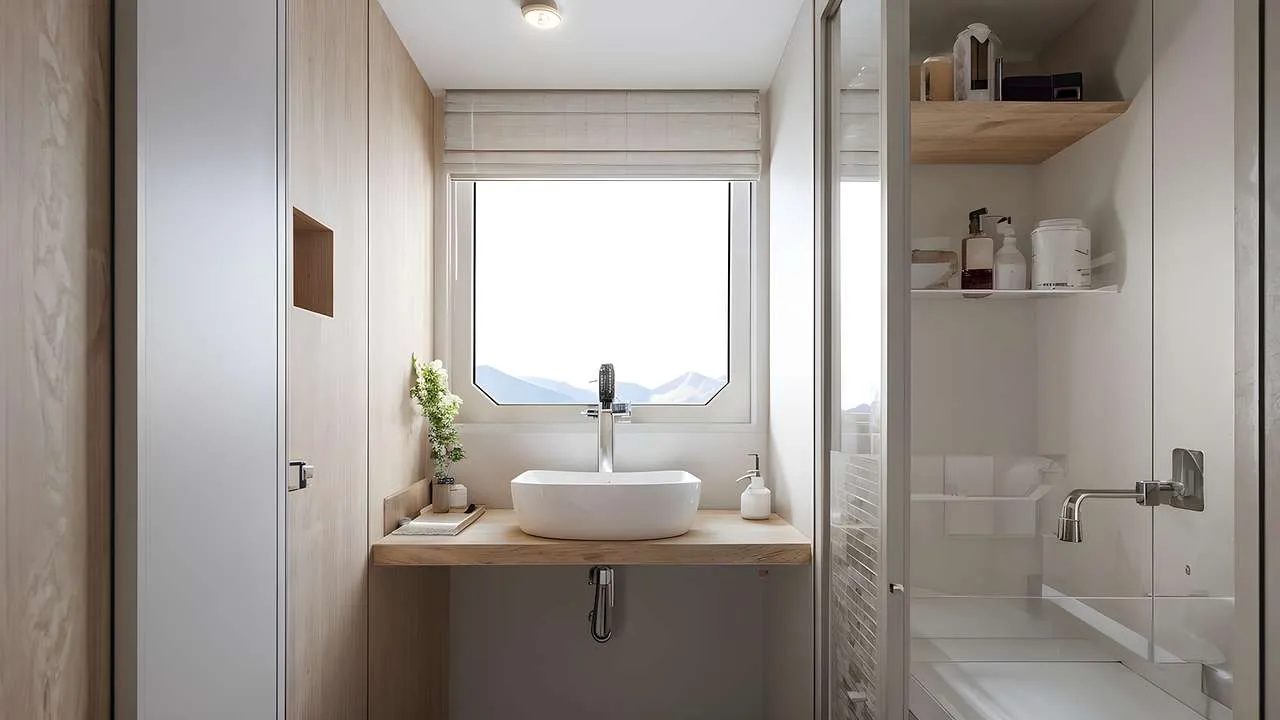
Creating a beautiful bathroom begins with thoughtful decor that blends style with daily use. A strong bathroom decor plan supports mood, hygiene, and resale value, while remaining true to personal taste. In this guide, a seasoned designer shares practical, evidence-based tips to curate a space that feels calm, functional, and timeless.
Understanding bathroom decor means more than choosing a pretty towel. It is about harmonizing color, materials, fixtures, storage, and textiles to tell a single story. Start by defining the room's dominant style—minimal, classic, modern, spa-like, or coastal—and then layer in details that reinforce that choice. For example, a spa-inspired bathroom favors natural textures and soft lighting, while a modern room leans toward clean lines and high-contrast accents.
Popular style families
Consider these core families and how they influence details across tile, vanity, and hardware:
- Minimal: restrained color, concealed storage, simple hardware
- Classic: subway tile, neutral palette, timeless brass or satin nickel
- Modern: large-format porcelain, matte black or chrome fixtures, bright whites
- Spa-like: stone textures, warm wood tones, soft whites and greens
- Coastal: light blues, white trim, woven textures and natural fibers
Color palettes and materials
Neutral bases such as warm beige, cool gray, or crisp white create versatility and calm. Introduce texture with tile patterns, wood-look vanities, or stone countertops. Metals like brushed nickel, matte black, or antique brass update hardware without shouting. When selecting materials, prioritize durability and maintenance: porcelain or ceramic tile, quartz countertops, and composite undermount sinks resist stains and moisture well. Pair cool wall colors with warm accents to avoid clinical vibes, or go monochrome for a chic modern look.
Small bathroom decor ideas
In compact spaces every detail matters. Use vertical storage, floating vanities, and mirrored wardrobes to visually expand the room. Choose a large mirror to reflect light and install shelves above the toilet for tidy stash. Light-colored flooring with a subtle pattern helps the space feel larger, while a single accent color in towels or accessories ties the room together without overcrowding it. For textiles, select quick-dry towels and a durable bath mat with slip resistance.
Lighting and mirrors
Layered lighting is essential. Combine ambient ceiling light with task lighting near the vanity and a soft glow from backlit mirrors or sconce lighting. LEDs with a color temperature around 3000K to 4000K provide warmth without yellowing whites. Consider dimmers to adjust mood and energy use. Mirror placement should maximize reflection of natural light if possible and reduce glare on the vanity for easier grooming.
Accessories and textiles
Small decor touches can elevate the room: a refined soap dispenser, a storage tray, a woven basket, and a cohesive set of towels create a curated look. Select a single repeat pattern or texture—say a rattan basket, linen towels, or a pebble bath mat—to unify the space. Curtain choices, if you have a shower window, should be moisture-resistant and easy to clean. Hardware finishes, like drawer pulls or towel bars, should echo the metal tone in lighting and faucet fixtures for coherence.
Budget, planning, and maintenance
Set a realistic decor budget by listing must-haves vs nice-to-haves. For bare-bones updates, focus on paint colors, new towels, a mirror, and a few accessories. If you upgrade fixtures or tiles, do it in stages to spread costs. Before purchasing, measure carefully and create a simple mood board with samples. Maintenance matters: seal grout, choose stain-resistant finishes, and opt for water-saving fixtures to reduce long-term costs and environmental impact.
Sustainability and accessibility
Choose low-VOC paints, water-saving faucets, and energy-efficient lighting to lower environmental impact. Slip-resistant flooring improves safety, particularly in wet areas, while accessible design ideas such as lever handles and reachable storage drawers benefit all households. Sustainable decor also means selecting high-quality items that endure, rather than cheap, disposable updates.
Comparative styles at a glance
| Style | Key Elements | Pros | Cons | Best Space |
|---|---|---|---|---|
| Minimal | Clean lines, simple palette, concealed storage | Calm, easy to clean | Can feel cold if not balanced | Small to medium bathrooms |
| Classic | Subway tile, neutral tones, brass or nickel hardware | Timeless, durable | Can be pricey to execute well | Medium to large bathrooms |
| Modern | Large tiles, white/gray palette, matte finishes | Sleek, bold accents | Can feel sterile if overdone | Best in contemporary spaces |
| Spa-like | Natural textures, soft lighting, warm woods | Calming, luxurious | Higher maintenance and cost | Relaxing retreats and master baths |
| Coastal | Light colors, woven textures, sun-bleached woods | Bright and airy | Maintaining bright look requires upkeep | Bright bathroom with sea vibes |
Conclusion In practice, bathroom decor is about balance. Start with a color base that suits your light and space, then layer textures and finishes that reflect your style. While trends guide you, the lasting value comes from durable materials, thoughtful storage, and lighting that flatters daily routines. Embrace a cohesive plan that can evolve with simple updates over time.
Summary: A well-executed bathroom decor plan balances color, materials, lighting, and storage to create a space that is both beautiful and functional. Define your style, choose durable finishes, and prioritize comfort, accessibility, and easy maintenance. With thoughtful details, your bathroom will stay timeless while adapting to changing trends.